NachrichtenBearbeiten
https://odysee.com/@ovalmedia:d/mwgfd-impf-symposium:9
https://totalityofevidence.com/dr-david-martin/
| | Kaum beachtet von der Weltöffentlichkeit, bahnt sich der erste internationale Strafprozess gegen die Verantwortlichen und Strippenzieher der Corona‑P(l)andemie an. Denn beim Internationalem Strafgerichtshof (IStGH) in Den Haag wurde im Namen des britischen Volkes eine Klage wegen „Verbrechen gegen die Menschlichkeit“ gegen hochrangige und namhafte Eliten eingebracht. Corona-Impfung: Anklage vor Internationalem Strafgerichtshof wegen Verbrechen gegen die Menschlichkeit! – UPDATE |
Libera Nos A Malo (Deliver us from evil)
Transition NewsBearbeiten
Feed Titel: Homepage - Transition News Die Rückkehr des totalitären Denkens – oder warum die DDR gewonnen hat
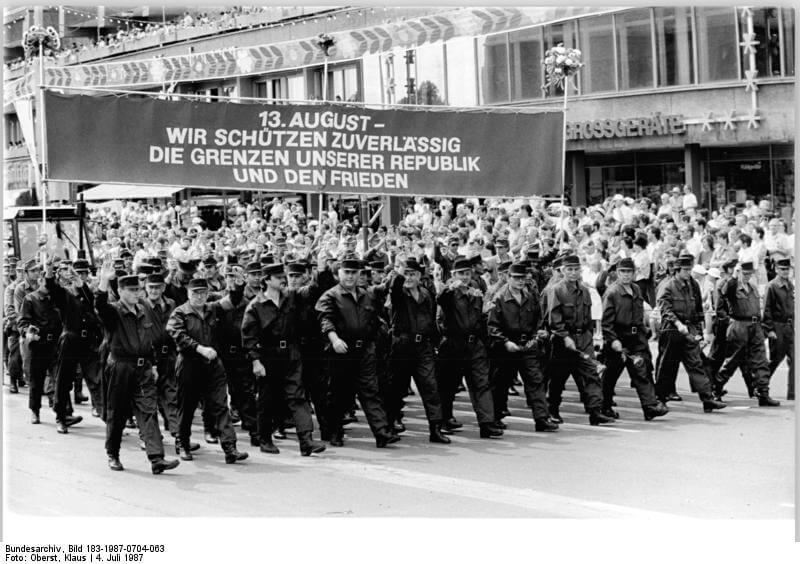 "Wir haben ein Korn in die Erde gelegt, der Samen wird noch aufgehen", sagte Margot Honecker nach dem Ende der linken DDR-Diktatur trotzig. So erschreckend es ist: Sie hatte Recht. Der Geist der DDR ist in Berlin wieder urlebendig. Aufsicht kritisiert Bund: Medikamentenrabatte erreichen Patienten kaum
 Ärztinnen, Apotheker und Spital-Leitungen geben nur einen Teil ihrer Rabatte weiter. Der Bund soll mehr eingreifen. Europa steht vor einer doppelten Diesel- und Erdgaskrise
«Schlaflose Nächte» würde ihr der weltweite Engpass bei der Dieselversorgung bereiten, erklärte Samantha Dart, Co-Leiterin der globalen (…)
Ruch zerlegt die Neutralitätsargumente des Bundesrates
Jean-Daniel Ruch nimmt zentrale Aussagen der bundesrätlichen Medienkonferenz zur Neutralitätsinitiative auseinander. Seine Kritik: Der Bundesrat (…)
Hacker behaupten: NATO ist direkt an Angriffen auf russisches Territorium beteiligt
Russische Hacker haben laut Tass dokumentarische Beweise für die direkte Beteiligung der NATO an Angriffen auf russisches Territorium erhalten. (…)
| Peter MayerBearbeiten
Feed Titel: tkp.at – Der Blog für Science & Politik Kernstücke der neuen WHO Verträge bringen Verlust der nationalen Souveränität der Mitgliedsstaaten
 Bekanntlich sollen bis Ende Mai Änderungen der Internationalen Gesundheitsvorschriften (IGV) beschlossen werden, die der WHO eine massive Ausweitung ihrer völkerrechtlich verbindlichen Vollmachten bringen sollen. […] Hardware-Schwachstelle in Apples M-Chips ermöglicht Verschlüsselung zu knacken
 Apple-Computer unterscheiden sich seit langem von Windows-PCs dadurch, dass sie schwieriger zu hacken sind. Das ist ein Grund, warum einige sicherheitsbewusste Computer- und Smartphone-Nutzer […] 25 Jahre weniger Lebenserwartung für "vollständig" Geimpfte
 Eine beunruhigende Studie hat ergeben, dass Menschen, die mit mRNA-Injektionen „vollständig“ gegen Covid geimpft wurden, mit einem Verlust von bis zu 25 Jahren ihrer […] Ostermärsche und Warnungen vor dem Frieden
 Ostern ist auch die Zeit der pazifistischen und antimilitaristischen Ostermärsche. Grund genug, um davor zu warnen. Tod nach Covid-Spritze: Ärzte im Visier der Justiz
 In Italien stehen fünf Ärzte nach dem Tod einer jungen Frau aufgrund der „Impfung“ vor einer Anklage. |
NZZBearbeiten
Feed Titel: Wissenschaft - News und Hintergründe zu Wissen & Forschung | NZZ
Abnehmspritzen verursachen Muskelschwund. Nun sollen Medikamente das verhindern
INTERVIEW - Keine Brille, aber trotzdem Lust auf Sonnenfinsternis? Ein Augenarzt erklärt die Folgen von kurzen Blicken in die Sonne und sagt: «Das lässt sich nicht beheben»
ERKLÄRT - Vorsicht, krebserregende Inhaltsstoffe und zu viel Zucker: Apps warnen vor ungesunden Lebensmitteln
GASTKOMMENTAR - Kernkraftwerke mit Kühltürmen bestehen auch bei Hitze und Trockenheit
DIE NEUESTEN ENTWICKLUNGEN - Ebola-Ausbruch in Zentralafrika: In Kongo-Kinshasa sind mehr als 2000 Infizierte gestorben
VerfassungsblogBearbeiten
Feed Titel: Verfassungsblog
Ein legislativer Rundumschlag
Vier Jahre nach der BVerfG-Entscheidung zum bayerischen Verfassungsschutzgesetz und der Verkündung der „Zeitenwende“, ein halbes Jahr nach Verkündung des neuen Gesetzes über den Militärischen Abschirmdienst und nachdem einige Verfassungsschutzgesetze der Länder bereits reformiert worden sind, hat die Bundesregierung einen Gesetzesentwurf zur Reform des Bundesverfassungsschutzgesetzes (BVerfSchG), des Bundesnachrichtendienstgesetzes (BNDG) und zur Schaffung eines Gesetzes über den Unabhängigen Kontrollrat (UKRatG) verabschiedet. Es ist unmöglich, den umfangreichen Gesetzesentwurf in seinen sicherheitspolitischen und verfassungsrechtlichen Feinheiten in wenigen Worten zu würdigen, da er die Rechtsgrundlagen der Nachrichtendienste tiefgreifend verändert. In der öffentlichen Debatte wurde bislang vor allem diskutiert, dass die Dienste künftig operativ aktiv werden dürfen. Der Entwurf geht jedoch deutlich weiter. Einerseits werden die Befugnisse ausgeweitet und ihre Tatbestandsvoraussetzungen neu gefasst, andererseits wird die Rechtskontrolle der nachrichtendienstlichen Maßnahmen neugestaltet. Schon jetzt steht fest, dass nicht alle Regelungen verfassungskonform sind. Umso relevanter ist das nun anstehende parlamentarische Verfahren.
Die Reform braucht Aufmerksamkeit
Ob der Fülle der Veränderungen und der Bündelung von drei Fachgesetzen besteht die Gefahr, dass die weitgehenden Neuregelungen im Detail nicht hinreichend erkannt werden. Deshalb ist es wichtig, dass die Stellungnahmen der noch anzuberaumenden Expertenanhörung im Deutschen Bundestag – dieses Mal – mit ausreichend Vorlauf eingeholt werden. Zudem dürfte es kaum möglich sein, in einer zweistündigen Expertenanhörung drei Fachgesetze zu unterschiedlichen Behörden mit ihren jeweiligen Spezifika zu beleuchten, weshalb für jedes eine gesonderte Sitzung anberaumt werden sollte.
Überfällige Neuregelung
Um die Entwürfe einordnen zu können, hilft es, sich vor Augen zu führen, warum sie entstanden sind. Hintergrund der Neufassung ist der Versuch, die Rechtsgrundlagen der Nachrichtendienste an die gestiegene Bedrohungslage anzupassen. Zudem hatte das Bundesverfassungsgericht in mehreren Entscheidungen Modifizierungen angemahnt, zuletzt in Bezug auf mehrere Regelungen des G 10 mit Frist zum Jahresende. Auch in der Literatur sind umfassende Änderungen lange gefordert worden, exemplarisch hierfür sei auf folgende pointierte Zustandsbeschreibung verwiesen: „Einem legistischen Trümmerhaufen kann man mit Flickwerk nicht beikommen. Letztlich müsste man ‚im Wesentlichen das geltende Recht wegwerfen und neu machen‘“.
Deshalb ist es begrüßenswert, dass die Bundesregierung sich der Aufgabe nun angenommen hat. Positiv hervorzuheben ist, dass die im Artikel 10-Gesetz geregelten Befugnisse in die jeweiligen Fachgesetze integriert worden sind, was die Anwenderfreundlichkeit und Übersichtlichkeit deutlich erhöht.
Maßnahmen, die selbst für die Polizei tabu sind
Im Mittelpunkt der öffentlichen Diskussion steht vor allem das Vorhaben der Bundesregierung, die Nachrichtendienste künftig auch operativ tätig werden zu lassen. Die „Schutzmaßnahmen“ gemäß §§ 59 ff. BVerfSchG und die „erweiterten nachrichtendienstliche[n] Maßnahmen“ gemäß §§ 49 ff. BNDG ermächtigen die Nachrichtendienste zur aktiven Einwirkung auf Gegenstände (nicht auf Personen). Nach dem bisher geltenden einfach-rechtlichen Trennungsgebot dürfen den Nachrichtendiensten gesetzlich keine imperativen Befugnisse verliehen werden, stattdessen sollen sie Informationen über mögliche Bedrohungen sammeln. Nur die Gefahrenabwehr- und Strafverfolgungsbehörden sollen den Bürgern (erkennbar) gegenübertreten, nur aus ihrem Handeln sollen direkte Konsequenzen folgen können. Bisher dreht sich die Debatte um eine mögliche Verletzung dieses Trennungsgebots. Das Problem liegt jedoch tiefer: Die Bundesregierung will das Bundesamt für Verfassungsschutz in den §§ 59 ff. BVerfSchG zu Maßnahmen ermächtigen, die selbst die Polizei nicht vornehmen darf, worauf Matthias Bäcker zu Recht hinweist. Kein deutsches Polizeigesetz sieht entsprechende Befugnisse vor. Deshalb sind die Normen verfassungsrechtlich höchst problematisch und werfen in Bezug auf die hergebrachte deutsche Sicherheitsarchitektur grundsätzliche Fragen auf.
Unabhängig davon dürften wegen der unterschiedlichen Aufgaben der beiden Nachrichtendienste für das Bundesamt für Verfassungsschutz verfassungsrechtlich strengere Maßstäbe gelten. Daher überrascht es, dass die Voraussetzungen für Eingriffe des BND in den §§ 49 ff. enger gefasst sind als die der vergleichbaren Regelung im BVerfSchG. Denn das BNDG setzt begrenzend voraus, dass die Gefährdungen von einer „fremden Macht“ ausgehen.
Deutliche Ausweitung der Befugnisse
Aber auch die Befugnisse zur Datenerhebung und -auswertung werden deutlich ausgebaut. Künftig können die Nachrichtendienste beispielsweise Betreiber von privaten und öffentlichen Videoüberwachungsanlagen zur Übermittlung von Aufnahmen oder sogar zur Mitbenutzung ihrer Anlagen verpflichten (§ 15 BVerfSchG, wobei die Regelung in § 11 Abs. 4 BNDG auf öffentliche Einrichtungen beschränkt ist, eine vergleichbare Neuregelung im Verfassungsschutzgesetz Nordrhein-Westfalen kritisiert etwa die Landesbeauftragte für Datenschutz und Informationsfreiheit) oder auf informationstechnische Systeme zugreifen, wenn gegen sie ein informationstechnischer Angriff stattgefunden hat (§§ 24, 12 BVerfSchG, § 36 BNDG). Zudem verpflichtet § 10 Abs. 2 BNDG das Bundesamt für Sicherheit in der Informationstechnik (BSI) zur Informationsübermittlung und damit auch zur Weitergabe ihm bekannt gewordener Zero-Day-Schwachstellen. Dies wird zu Recht kritisiert, weil damit Vertrauen in das BSI als neutrale Ansprechpartnerin verloren gehen dürfte. Außerdem enthalten beide Entwürfe erstmalig Regelungen für den Spannungs- und Verteidigungsfall (§§ 76 ff. BVerfSchG, §§ 125 ff. BNDG).
Neue Schwellensystematik für die Befugnisse
Bisher konzentriert sich die Debatte weitgehend darauf, dass die Nachrichtendienste neue Befugnisse erhalten sollen. Nicht weniger bedeutend ist die Frage, unter welchen tatbestandlichen Voraussetzungen diese Befugnisse angewandt werden dürfen. Das Bundesverfassungsgericht hatte den Gesetzgeber aufgefordert, die Tatbestandsvoraussetzungen für Eingriffe der Sicherheitsbehörden differenziert zu regeln, also je nachdem, wie schwer der Grundrechtseingriff wiegt, unterschiedlich hohe Hürden vorzusehen.
Exemplarisch soll hier auf die neuen Schwellen des Bundesverfassungsschutzgesetzes eingegangen werden (§§ 2-3 BVerfSchG). Der Entwurf der Bundesregierung differenziert auf drei Stufen nach der Gefährlichkeit des Beobachtungsobjekts in Form von „Bedrohungen“ (bzw. „Bestrebungen“), „erheblich beobachtungsbedürftigen Bedrohungen“ und „besonders erheblich beobachtungsbedürftigen Bedrohungen“. Je höher das Bedrohungspotential ist, desto intensiver dürfen die erlaubten Grundrechtseingriffe sein. Für die Online-Durchsuchung muss darüber hinaus eine „konkretisierte Gefahr“ (§ 25) und für die Wohnraumüberwachung eine „dringende Gefahr“ vorliegen (§ 26). Vereinfacht gesagt bedeutet dies, dass dem Bundesamt für Verfassungsschutz bei der Beobachtung von „Bedrohungen“ weniger Maßnahmen zur Verfügung stehen als beispielsweise bei einer „erheblich beobachtungsbedürftigen Bedrohung“.
Weil eine detaillierte Auseinandersetzung mit den Normen hier nicht möglich ist, möchte ich stattdessen auf zwei Aspekte hinweisen, die im parlamentarischen Verfahren Aufmerksamkeit verdienen.
Erstens: Sind die Stufen der Beobachtungsbedürftigkeit an sich überzeugend definiert? So ist beispielsweise nicht auf den ersten Blick ersichtlich, wieso ein „planmäßig verschleierndes“ Vorgehen (§ 3 Abs. 7 Nr. 1 d)) eine Bestrebung zu einer erheblich beobachtungsbedürftigen Bedrohung macht und zur Differenzierung taugt. Schließlich ist davon auszugehen, dass dieses zusätzliche Merkmal – das verschleiernde Vorgehen – ohnehin häufig gegeben sein wird.
Zweitens: Sind die Befugnisse der jeweiligen Stufe in verfassungskonformer Weise zugeordnet? Mein Eindruck ist, dass viele Befugnisse letztlich – trotz der umfangreichen neuen gesetzlichen Vorgaben – unter ähnlichen Voraussetzungen wie bisher eingesetzt werden können, weil sie bereits auf der ersten Stufe, also bei einer „Bedrohung“, anwendbar sind. Das bedeutet, für viele Einsatzsituationen sind „tatsächliche Anhaltspunkte im Einzelfall zur Gewinnung von Erkenntnissen“ über eine Bedrohung nach § 16 Abs. 1 BVerfSchG ausreichend. Häufig wird eine höhere Eingriffsintensität – und damit verbunden höhere Schwellen – erst für Fälle angenommen, in denen die Maßnahme besonders lange andauert. Bereits auf der ersten Stufe ist daher beispielsweise der Einsatz von Vertrauensleuten und verdeckten Ermittlern möglich, solange er nicht länger als sechs Monate dauert (§ 18 Abs. 2, § 19), ebenso Observationen mit technischen Mitteln, solange sie nicht am Stück länger als 48 Stunden oder an mehr als sechs Tagen in einem Zeitraum von 30 Tagen erfolgen (§ 20 Abs. 1), sowie technische Mittel zur Standortüberwachung, sofern diese weniger als sieben Tage durchgehend erfolgen (§ 21 Abs. 1). Zudem können sehr eingriffsintensive Maßnahmen bereits auf der zweiten Stufe, bei „erheblicher“ Beobachtungsbedürftigkeit, greifen (u.a. Zugriff auf Daten aus Videoüberwachung nach § 15). Ob der Entwurf dem Auftrag des Bundesverfassungsgerichts nach mehr Differenzierung (noch) gerecht wird, ist damit alles andere als ausgemacht. Die Stellungnahmen der Experten werden genau an diesem Punkt ansetzen müssen.
Änderung der Kontrollarchitektur
Die Bundesregierung will den Nachrichtendiensten jedoch nicht nur erweiterte Befugnisse geben, sie gestaltet auch deren Rechtskontrolle neu und möchte die Kontrolle künftig bei einem Kontrolleur, dem Unabhängigen Kontrollrat, bündeln. Verfassungsrechtlich ist die Zentralisierung bei einem Kontrolleur nicht zu beanstanden, da es dem Regelungsspielraum des Gesetzgebers obliegt, welche Kontrolleure er wählt. Hinsichtlich der Kontrolle muss zwischen zwei Zeitpunkten differenziert werden: Es gibt zum einen die Vorabkontrolle, bei der eingriffsintensive Maßnahmen vor ihrem Einsatz von einer unabhängigen Stelle genehmigt werden und deren Ausweitung auf alle eingriffsintensiven Maßnahmen das Bundesverfassungsgericht aus Verhältnismäßigkeitsgründen gefordert hatte, und zum anderen die laufende Datenschutzkontrolle.
Die im Entwurf vorgeschlagene Lösung, die Vorabkontrolle beim gerichtsähnlichen Kontrollorgan des Unabhängigen Kontrollrats zu verorten, ist nachvollziehbar, da das Gremium bereits nach geltendem Recht für die Vorabkontrolle einiger Maßnahmen des BND zuständig ist. Die Bündelung bei einem Vorabkontrolleur hat den Vorteil, dass Kontrolllücken, die durch unterschiedliche Zuständigkeiten entstehen können, vermieden werden. Damit geht einher, dass die G 10-Kommission des Bundes aufgelöst wird. Im Gegensatz zur G 10-Kommission ist der Unabhängige Kontrollrat de lege lata mehrheitlich richterlich besetzt und seine Mitglieder sind hauptamtlich tätig, was das Bundesverfassungsgericht in Bezug auf die Kontrolle der strategischen Überwachung nach dem G 10 – die bisher bei der G 10-Komission lag – explizit gefordert hatte.
Die Entscheidung, das Administrative Kontrollorgan des Unabhängigen Kontrollrats mit der laufenden Kontrolle von eingriffsintensiven Maßnahmen zu beauftragen und den Bundesbeauftragten für den Datenschutz und die Informationsfreiheit (BfDI) insoweit zu entmachten, ist verfassungsrechtlich nicht zu beanstanden, politisch allerdings brisant. Die Entscheidung hat zur Folge, dass der Kontroll-Gesamtüberblick des BfDI verloren geht, der nach geltendem Recht sowohl für die Kontrolle eingriffsintensiver Maßnahmen der Polizei als auch der Nachrichtendienste zuständig ist und deshalb zum Beispiel die Zusammenarbeit der Behörden in den Gemeinsamen Zentren effektiv kontrollieren kann. In Anbetracht der Tatsache, dass der Unabhängige Kontrollrat mit Startschwierigkeiten zu kämpfen hatte (sowohl das gerichtsähnliche als auch das administrative Kontrollorgan, dessen Personalaufbau bisher stockend verlaufen ist), stellt sich daher die Frage, ob unter dem Deckmantel der Konsolidierung womöglich (auch) die Gelegenheit genutzt wurde, sich aus den Fängen eines als allzu streng wahrgenommenen Kontrolleurs, der BfDI, zu befreien. Jedenfalls würde es Sinn ergeben, die Mitarbeiter der entsprechenden Referate des BfDI für eine Weiterbeschäftigung im Administrativen Kontrollorgan zu gewinnen, um zu verhindern, dass ihre Expertise verloren geht.
Ob der Unabhängige Kontrollrat in Zukunft die Nachrichtendienste überhaupt effektiv kontrollieren kann, hängt maßgeblich davon ab, in welchem Umfang die Tätigkeit der Nachrichtendienste dem Kontrollzugriff des Unabhängigen Kontrollrats unterliegt. § 34 BVerfSchG erfasst nicht alle eingriffsintensiven Maßnahmen, was verfassungsrechtlich nicht zulässig sein dürfte. So ist zum Beispiel eine Genehmigungspflicht teilweise erst ab der dritten Stufe („besonders erheblich eingreifend“) angeordnet. Da viele nachrichtendienstliche Befugnisse nach diesem Entwurf auf der ersten und der zweiten Stufe zu verorten sein dürften, ist davon auszugehen, dass ein Großteil der Tätigkeiten genehmigungsfrei bleiben wird.
Strategische(re) Sicherheitspolitik vonnöten
Aber selbst die umfangreichsten Befugnisausweitungen werden am Ende nur effektiv wirken können, wenn die Entscheidungsträger in der Politik die Informationen der Nachrichtendienste ausreichend würdigen und schließlich in konkrete Maßnahmen und gesetzliche Vorgaben umsetzen. Gerade hieran aber fehlt es bisher häufig. Ein Beispiel dafür sind die Warnungen zu chinesischer Spionage in deutschen Forschungseinrichtungen, die seit Jahren von den Nachrichtendiensten auch öffentlich vorgetragen worden sind, auf die die Politik aber bisher unter Verweis auf die Wissenschaftsfreiheit nicht reagieren wollte. Diesem sogenannten „warning response failure“ durch mutigere Politik Einhalt zu gebieten, dürfte sogar effektiver sein als Befugnisausweitungen. Jedenfalls aber sollte die Kritik an den vermeintlich zu restriktiven Befugnissen nicht den Blick darauf verklären, dass es in der deutschen Sicherheitspolitik häufig nicht am Wissen über Bedrohungen fehlt, sondern an der Bereitschaft, ihnen effektiv zu begegnen und dafür auch politische Risiken in Kauf zu nehmen.
Wie bereits diese überblicksartige Befassung zeigt, bedarf es noch einiger kritischer Auseinandersetzung mit den Regierungsvorschlägen durch den Gesetzgeber im Bundestag selbst. Außerdem sollten die Expertenanhörung und die darauffolgenden parlamentarischen Beratungen von der Öffentlichkeit mit der gebührenden Aufmerksamkeit begleitet werden. Denn, wo die Tätigkeit der Nachrichtendienste auch im Rechtsstaat als notwendig geheim geduldet wird, braucht es für die Aushandlung ihrer Rahmenbedingungen erst recht den (öffentlichen) Diskurs.
The post Ein legislativer Rundumschlag appeared first on Verfassungsblog.