NachrichtenBearbeiten
https://odysee.com/@ovalmedia:d/mwgfd-impf-symposium:9
https://totalityofevidence.com/dr-david-martin/
| | Kaum beachtet von der Weltöffentlichkeit, bahnt sich der erste internationale Strafprozess gegen die Verantwortlichen und Strippenzieher der Corona‑P(l)andemie an. Denn beim Internationalem Strafgerichtshof (IStGH) in Den Haag wurde im Namen des britischen Volkes eine Klage wegen „Verbrechen gegen die Menschlichkeit“ gegen hochrangige und namhafte Eliten eingebracht. Corona-Impfung: Anklage vor Internationalem Strafgerichtshof wegen Verbrechen gegen die Menschlichkeit! – UPDATE |
Libera Nos A Malo (Deliver us from evil)
Transition NewsBearbeiten
Feed Titel: Homepage - Transition News Schweizer Neutralität unter Druck: Ein Prinzip, das sich immer wieder behaupten muss
Die Schweizer Neutralität erscheint heute oft als unverrückbare Konstante der Außenpolitik. Historisch betrachtet war sie jedoch stets Gegenstand (…)
Die Normalisierung beginnt nicht mit Gesetzen – sondern mit Bildern
Politik wird längst nicht mehr nur mit Gesetzen gemacht. Sie wird mit Bildern gemacht. Mit Emotionen. Mit Geschichten. Und manchmal mit (…)
540.000 Menschen stellten 2025 die Zahlung der «BBC»-Rundfunkgebühr ein
Mehr als 500.000 britische Haushalte haben im vergangenen Jahr aufgehört, die BBC-Rundfunkgebühr zu zahlen. Wie die Daily Mail berichtete, wurde (…)
Ukrainische Angriffe auf russische Raffinerien treiben Europas Dieselpreise in die Höhe
 Die Zerstörung und eingeschränkte Produktion russischer Raffinerien verschärfen nach Einschätzung von Marktbeobachtern die Lage auf dem europäischen Kraftstoffmarkt und treiben die Dieselpreise. Dies geht aus einer Analyse des Energiemarkt-Datenanbieters Kpler hervor, wie ntv berichtet. Demnach liegt das grösste Risiko für die Kraftstoffversorgung derzeit weniger in der Rohölversorgung als in fehlenden Raffineriekapazitäten. Nach Angaben von Kpler […] WHO, Epstein-Spuren und Corona-Aufarbeitung: Die Spur führt tief in globale Macht- und Finanznetzwerke
In einem Gespräch mit dem österreichischen Sender AUF1 haben die Ärztin Maria Hubmer-Mogg, die Rechtswissenschaftlerin Beate S. Pfeil und (…)
| Peter MayerBearbeiten
Feed Titel: tkp.at – Der Blog für Science & Politik Kernstücke der neuen WHO Verträge bringen Verlust der nationalen Souveränität der Mitgliedsstaaten
 Bekanntlich sollen bis Ende Mai Änderungen der Internationalen Gesundheitsvorschriften (IGV) beschlossen werden, die der WHO eine massive Ausweitung ihrer völkerrechtlich verbindlichen Vollmachten bringen sollen. […] Hardware-Schwachstelle in Apples M-Chips ermöglicht Verschlüsselung zu knacken
 Apple-Computer unterscheiden sich seit langem von Windows-PCs dadurch, dass sie schwieriger zu hacken sind. Das ist ein Grund, warum einige sicherheitsbewusste Computer- und Smartphone-Nutzer […] 25 Jahre weniger Lebenserwartung für "vollständig" Geimpfte
 Eine beunruhigende Studie hat ergeben, dass Menschen, die mit mRNA-Injektionen „vollständig“ gegen Covid geimpft wurden, mit einem Verlust von bis zu 25 Jahren ihrer […] Ostermärsche und Warnungen vor dem Frieden
 Ostern ist auch die Zeit der pazifistischen und antimilitaristischen Ostermärsche. Grund genug, um davor zu warnen. Tod nach Covid-Spritze: Ärzte im Visier der Justiz
 In Italien stehen fünf Ärzte nach dem Tod einer jungen Frau aufgrund der „Impfung“ vor einer Anklage. |
NZZBearbeiten
Feed Titel: Wissenschaft - News und Hintergründe zu Wissen & Forschung | NZZ
Lebensgefährliches Spielzeug: Wenn Kinder Magnete verschlucken, müssen sie sofort ins Spital
Immer wieder versucht jemand, Odysseus’ Irrfahrten geografisch nachzuvollziehen. Dabei ist nicht einmal klar, wo er zu Hause war
«Amazing!»: In die Antarktis zu reisen, ist einmalig – und einmalig schön. Warum uns für Überwältigendes die Worte fehlen
Tod einer Sechsjährigen: In einem Spital in Schanghai stirbt ein Kind nach einer missglückten Gentherapie
INTERVIEW - «Bei uns verschwinden die Gletscher wohl», sagt der bekannteste Gletscherforscher der Schweiz
VerfassungsblogBearbeiten
Feed Titel: Verfassungsblog
Hinter den Kulissen wird gestrichen
Dieses Editorial ist Teil unserer Reihe „Hinter den Kulissen“, in der unsere Redakteur:innen und Autor:innen ihren kreativen Prozess in Zeiten von Künstlicher Intelligenz beschreiben. Wie kommen wir auf Ideen? Wie säen und gießen wir Ideen, wann merken wir, dass sie reif sind? Und welche Rolle spielt Künstliche Intelligenz dabei?
Wie finde ich Ideen für meine Texte?
Nehmen wir diesen hier: Ein Editorial zum Schreiben in Zeiten von KI. Die beste Inspiration ist natürlich, dass ich eingeladen worden bin, einen Text zu verfassen, und dass hochgeschätzte Kolleg:innen dankenswerterweise schon vorgelegt haben. Ein Schluck Rosé (das Klischee sei bei guten 35 Grad im französischen Bergdorf erlaubt), dann stürze ich mich in die Lektüre der bisherigen Texte des Editorials: Ein wärmender Text von Eva Maria Bredler, der Lust auf Schreiben und Mandelkuchen macht, einer von Maximilian Steinbeis über das Pilzesammeln mit seinem Hund und Claude, ein dritter Text von Victor Loxen dazu, dass ohnehin schon alles gesagt sei, auch vor KI.
Das erinnert mich an meine Philosophie-Lehrerin Mme Jouint, die vor unseren Bac-Prüfungen sinngemäß zu uns sagte: „Denken Sie nicht, dass Sie sich etwas Geniales ausdenken könnten. Über die Fragen der Philosophie wird seit Jahrtausenden nachgedacht. Was Sie jetzt denken, hat sicher schon jemand vor Ihnen gesagt, nur besser ausgedrückt. Wenn Sie also Ihre Gedanken nicht belegen können, haben Sie nicht gründlich genug recherchiert.“ Nach dieser Maxime von Mme J versuche ich seitdem zu handeln, auch heute noch. Ich recherchiere akribisch, in der Überzeugung, dass jemand dasselbe schon gesagt hat, nur besser, nur wo?
Hier hilft allein: lesen und darüber reden. Und je mehr ich lese und rede, desto mehr Ideen habe ich, desto mehr schreibe ich, es ist wie ein Automatismus, um dann bei weiterem Lesen und Reden festzustellen, dass dies doch schon jemand gesagt hat. Also lesen, schreiben, lesen, streichen, schreiben, löschen, weil ich jetzt doch die bessere Quelle gefunden habe, meine Gedanken eine andere Richtung nehmen, der Text sich neu formiert und konzentriert.

Kurze Pause, noch ein Schluck Rosé. Gibt es eigentlich ein Wort dafür, wenn man zu viele Ideen hat?
Frage an die KI (na endlich, denken Sie sich), in diesem Fall Copilot:
„Begriffe, die genau dieses Gefühl treffen:
-
- Ideenflut — viele Ideen auf einmal, wie ein Strom, der kaum zu bändigen ist.
- Gedankenrauschen — wenn Ideen und Gedanken so laut durcheinandergehen, dass Fokus schwer wird.
- Kreativüberdruck — ein modernes, leicht ironisches Wort für „zu viel kreative Energie“.
- Ideenüberschuss — sachlich: mehr Ideen, als man verarbeiten oder umsetzen kann.
- Gedankenflut — ähnlich wie Ideenflut, aber breiter: Gedanken, Assoziationen, Impulse.“
Ich glaube, ich leide an Kreativüberdruck. Deshalb musste ich Jura studieren (ja, Papa, gerade weil es so „trocken“ ist). Um meinen Kreativüberdruck zu bändigen. Charlotte Schmitt-Leonardy hat dies kürzlich treffend in ihrem Podcast über die Grenzen des Sagbaren so formuliert – et voilà die Quelle, die es früher und besser gesagt hat: Jura zu studieren habe ihr geholfen, „nicht ins Labern zu kommen“, sondern die Dinge auf den Punkt zu bringen. Mir geht es ähnlich. Jura hilft mir, meine Gedanken zu ordnen, mich auf das Wesentliche zu fokussieren, gibt mir eine Struktur.
Aber zu viel Struktur engt mich zugleich ein, erzeugt Leere. Ich brauche Struktur und Bruch, Ordnung und Chaos, Fokus und Assoziation.
++++++++++Anzeige++++++++++++ Professur (W3) Global Justice and International Law an der Technischen Universität Dresden:
Gesucht wird eine wissenschaftlich ausgewiesene Persönlichkeit mit exzellenter Forschung im Völkerrecht und Bezug zu globaler Gerechtigkeit, etwa in Wirtschafts-, Umwelt- und Klimavölkerrecht, Nachhaltigkeit oder Digitalisierung. Erwartet werden Lehre in Deutsch und Englisch, interdisziplinäre Zusammenarbeit sowie Mitwirkung in Forschung und akademischer Selbstverwaltung.
Den vollständigen Ausschreibungstext finden Sie hier.
++++++++++++++++++++++++++++
Zum Glück gibt es neben dem Recht noch das Theater, wo man sich nicht zwischen strafbar/nicht strafbar entscheiden muss (außer bei Schirach), sondern gesellschaftliche Fragen in ihrer Ambivalenz darstellen kann, wo man aber – das ist ganz wichtig! – auch nicht labern sollte, jedenfalls nicht ohne dramaturgischen Zweck. Denn gerade im Theater muss man das Publikum mitdenken, das man nicht in der Pause verlieren, und dem man etwas transportieren möchte. Daher gilt hier ganz besonders (wie gesagt, es sei denn, die Verwirrung ist dramaturgisch gewollt): weg mit überlangen Monologen, unnötigen Szenen, verwirrenden Plots. Streichen, streichen, streichen, und zur Not auch die Teile, an denen man besonders hängt. Kill your darlings. Danke Liz und Annika, dass ihr mir das eingebrannt habt.
Diese Regel versuche ich auch beim Verfassen von wissenschaftlichen Texten zu beachten, wo meiner Meinung nach viel mehr gestrichen werden müsste. Leider wird in der Realität nicht in bzw. an Texten gestrichen, wo es sinnvoll wäre, sondern hinter den Kulissen, wo es verheerend ist. Wir erleben aktuell radikale Kürzungen der Etats für Kunst und Wissenschaft, an den Universitäten, an den Theatern, in der freien Szene. Bibliotheken können keine Bücher mehr kaufen, Verträge werden nicht verlängert, baufällige Gebäude nicht saniert, Öffnungszeiten verkürzt.
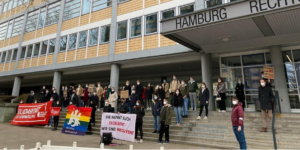
Demonstration von Studierenden gegen Kürzungen vor dem Hamburger Rechtshaus
Vor zwei Tagen war ich in Avignon beim Theaterfestival und habe „Bunker“ von Marion Siéfert gesehen. Während des Applauses trat die Regisseurin auf die Bühne, und verlas einen Text, den sie gemeinsam mit dem Ensemble verfasst hatte, in dem sie das Ausmaß der Kürzungen des Kulturetats in Frankreich zugunsten der Aufrüstung beschrieb. Wir wollen unsere Kinder nicht bilden, wir schicken sie stattdessen in den Krieg, prangerte sie an.
Damit formulierte das Ensemble eine alte, materialistische Einsicht, die uns aktuell wieder schmerzlich bewusst wird: In Krisenzeiten, wenn die kapitalistische Gesellschaft auf ihre nackten Existenzbedingungen zurückgeworfen wird, zeigt der Rechtsstaat seine Zähne. Da bleibt vermeintlich kein Platz für Kunst, Kultur und Wissenschaft mehr.
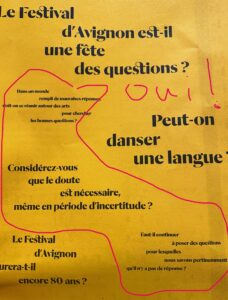
Programmheft Theaterfestival Avignon
Dies ist ein Trugschluss. Gerade wenn die Demokratie gefährdet ist, sind wissenschaftliche Erkenntnis und kulturelle Bildung von zentraler Bedeutung, gerade dann muss kritisch reflektiert, das demokratische Gemeinschaftsgefühl gestärkt werden. Um es mit dem Programmheft aus Avignon zu sagen: Gerade in Zeiten der Ungewissheit muss man zweifeln. Nichts anderes bedeutet demokratische Resilienz.
Zweifel erfordert jedoch die Fähigkeit, sicher Geglaubtes zu hinterfragen; demokratischer Diskurs erfordert Räume, um körperliches Zusammentreffen zu ermöglichen; kritisches Hinterfragen erfordert Kenntnis des Gegebenen; Ideen erfordern Zeit, sie zu haben.
Theater und Universitäten sind essenzielle Orte, um diese Vorbedingungen für eine Vielzahl von Bürger:innen zu ermöglichen. Aber wenn hinter den Kulissen gestrichen wird, dann können Theater und Universitäten diesem Auftrag nicht mehr gerecht werden. Dann besteht die Gefahr, Ideenungerechtigkeit zu schaffen bzw. zu verstärken.
Ideenungerechtigkeit ist die Kehrseite von Kreativüberdruck: Kreativunterdruck beziehungsweise frustrierte oder nicht potenzierte Kreativität. Ideenungerechtigkeit lässt sich als eine Form von „ästhetischer Ungerechtigkeit“ (aesthetic injustice) verstehen. Diesen Begriff haben in letzter Zeit etwa Rachel Fraser oder Gustavo Dalaqua geprägt. Er basiert auf Miranda Frickers Konzept der epistemischen bzw. hermeneutischen Ungerechtigkeit und bezeichnet das Leid, das entsteht, wenn man in seiner Kapazität als ästhetisches Subjekt aufgrund struktureller Diskriminierung Unrecht erfährt („being wronged“). Dies ist der Fall, wenn nicht nur die Begriffe fehlen, das einem widerfahrene Unrecht zu verstehen und zu beschreiben, sondern wenn die gesamten Formen, Verfahren, Gebäude und sozialen Rollen, in denen Ideen entstehen können, strukturell auf gewisse Personengruppen nicht passen und diese exkludieren. Wenn also beispielsweise der Eindruck entsteht, „Leute wie wir“ gehen nicht ins Theater, studieren kein Jura oder haben keine guten Ideen, weil wir uns nicht fein genug ausdrücken, nicht die richtige Kleidung besitzen oder Gebäude für uns nicht zugänglich sind. Oder aber, wenn die Ideen, die man hat, nicht dieselbe Beachtung finden wie die Ideen anderer Personen, weil man nicht in einer gesellschaftlich anerkannten Sprecher:inposition ist, wiederum weil man sich etwa nicht gewählt genug ausdrückt, nicht den richtigen sozialen Status hat, nicht gut genug gekleidet ist etc. Mit anderen Worten: Wenn man am „Markt der Ideen“ nicht oder nur eingeschränkt teilnehmen kann, weil man dort keine Aktien besitzt.
++++++++++Anzeige++++++++++++

intRecht bietet mit seinem Virtuellen Lesesaal einen kostenfreien Zugang zu einer umfassenden Auswahl digitaler Fachressourcen, darunter u. a. Bloomsbury / (Auswahl inkl. Hart), die Cambridge University Press Law eBook Collection, Dalloz.fr (inkl. E-Books), Lexis360 Frankreich sowie Oxford Scholarship Online / HSS Collection.
Das Angebot richtet sich an Hochschullehrende sowie wissenschaftlich Mitarbeitende der Rechtswissenschaft in Deutschland. Beantragen Sie hier Ihren Zugang.
++++++++++++++++++++++++++++
Ideen(un)gerechtigkeit besitzt meiner Meinung nach über die verteilungstheoretische Dimension hinaus auch eine relationale Komponente: Denn es geht nicht nur abstrakt um das Ideen-Haben, sondern auch um das Ideen-Geben und Ideen-Tauschen. Das muss nicht zwingend ein do ut des sein, aber Wechselseitigkeit und Austausch sind zentrale Faktoren von Ideenreichtum. Und hier, muss ich leider sagen, schneidet die KI schlecht ab: Nicht nur, weil sie nur zurückgibt, was man in sie hineingibt; sondern auch, weil sie bestehende Ungleichheiten im Zugang zu Ressourcen verstärkt und systematische Abhängigkeiten schafft, denn wer mehr Geld hat, kann sich leistungsstärkere KI-Modelle leisten, die oft von wenigen Tech-Milliardären aus dem Silicon Valley gesteuert werden (hierum ging es übrigens in dem Stück von Marion Siéfert).
Davor warnt aktuell auch der Wissenschaftsrat in seinen „Empfehlungen für die Hochschulbildung in Zeiten von generativer KI“ (S. 25), ebenso wie vor einem Verlust von sozialen Beziehungen und direktem Austausch, die zentrale Funktionen der universitären Bildung sind (S. 24). Denn körperliche Präsenz und persönlicher Austausch in kleinen Gruppen – was im Übrigen genau der Arbeitsweise des politischen Theaters und der materialistischen Rechtskritik (zumindest in meinem Verständnis) entspricht – eröffnen andere Reflexionsräume als das isolierte Selbstgespräch mit der KI. Dies kostet zwar Geld. Aber immerhin würde dieses Geld dann nicht in die Taschen einiger weniger Tech-Milliardäre fließen, sondern eine Vielzahl von gut ausgebildeten und engagierten Dozent:innen fördern, die unsere Demokratie stärken.
Dies sollte eigentlich ein leichter Text über das Schreiben werden, eine angenehme Sommerlektüre, und ich bitte um Entschuldigung, dass daraus nichts geworden ist. Jedoch lassen sich in diesen Zeiten die politischen und sozialen Vorbedingungen nicht ausblenden, die Bühnentüren nicht schließen, die Kulissen nicht verdunkeln. Ideen entstehen in einem wechselseitigen Prozess, der auf Chancengleichheit, Austausch und Präsenz basiert. Resiliente Demokratien fördern diesen Prozess, statt ihn zu streichen.
*
Editor’s Pick
von MARIE DÜRR
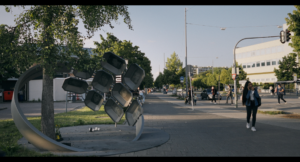
Copyright: ZDF/ Julian Vogel
Vor zehn Jahren verloren Sibel und Hasan Leyla beim Attentat im Münchner Olympia-Einkaufszentrum ihren Sohn Can, Arbnor Segashi verlor seine Schwester Armela. Die Dokutrilogie „Einzeltäter“ (2023) befasst sich mit den rechtsextremen Anschlägen von Hanau, Halle und München.
In München wurden bei dem Terroranschlag am 22. Juli 2016 neun Menschen ermordet. Die erste Folge begleitet die beiden Familien Leyla und Segashi dabei, wie sie trauern, den Alltag bewältigen und für die institutionelle und öffentliche Anerkennung des rassistischen Tatmotivs kämpfen. Der Anschlag in München wurde jahrelang als unpolitischer Amoklauf eines Einzeltäters abgetan, obwohl es klare Hinweise auf die rechtsextreme und rassistische Gesinnung des Täters gab. Erst 2019 – über drei Jahre nach dem Anschlag – sprachen die Behörden von einer „politisch motivierte Tat von rechts“. Eine Szene zeigt, wie die Anwältin der Angehörigen in einem Brief an das Bundesinnenministerium um weitere Aufklärung bittet. Die Doku endet im Jahr 2021, Bis heute sind die Forderungen der Angehörigen nach weiterer Aufklärung weitgehend unerfüllt, und auch ein Untersuchungsausschuss wurde noch nicht eingesetzt. Drei Jahre nach ihrem Erscheinen – und zehn Jahre nach dem Attentat – zeigt die Dokumentation umso eindringlicher, wie schwer und langwierig ihr Kampf ist.
*
Die Woche auf dem Verfassungsblog
zusammengefasst von EVA MARIA BREDLER
Jens Spahn ist nun zurückgetreten, nachdem ganz Deutschland seine Familienplanung diskutiert hatte. Damit haben wir uns wieder mal erfolgreich unserer Normalitätsvorstellungen vergewissert und können beruhigt weiter durch die BUNTE blättern. Wer anregendere Lektüre sucht (und davon darf ich bei Ihnen ausgehen), sollte den Text von THORSTEN KINGREEN (DE) lesen: Er rekonstruiert die „moralinsaure“ Debatte in all ihrer politischen wie rechtlichen Widersprüchlichkeit, räumt grundrechtlich auf und erklärt, warum eine Reform der Leihmutterschaft überfällig ist.
Wie lange braucht so eine gelungene Reform eigentlich, und wann ist sie nur heiße Luft? Darüber hatte nun das Bundesverfassungsgericht im Heizungsgesetz-Verfahren endgültig zu entscheiden. Dabei rückte es von seiner einstweiligen Anordnung ab: Wie lange der Bundestag berät, sei vornehmlich eine Frage parlamentarischer Selbstorganisation. ALEXANDER THIELE (DE) sieht darin einen pragmatischen Kurswechsel, mit dem das Gericht von einem realitätsfernen Parlamentsbild abrücke.
Außerdem hat das BVerfG die Organklagen gegen die Reform des Gebäudemodernisierungsgesetzes verworfen. Damit erhöhte es die Zulässigkeitshürden für Organstreitverfahren: Abgeordnete müssten genau aufführen, welche organschaftlichen Rechte aus ihrer Sicht verletzt seien. Das Gericht treibe so die Verrechtlichung des politischen Prozesses voran, meint PHILIPP OVERKAMP (DE).
Gebäude sollen nicht nur modernisiert, sondern auch neu gebaut werden. Dafür sieht ein neuer Gesetzentwurf vor, das Bauen von Wohnungen bei der Festsetzung bestimmter Baugebiete in einem Bebauungsplan als im „überragenden öffentlichen Interesse“ zu berücksichtigen. Doch damit würden auch Gewerbebauten gegenüber Klima- und Naturschutz bevorzugt, kritisieren MICHAEL SAUTHOFF und SABINE SCHLACKE (DE), und nennen den Entwurf „ein trojanisches Pferd zulasten der Umwelt“.
Weniger trojanisch ist unser Vorgehen, die besagte Umwelt von allen Seiten zu zerstören. Neben der Klimakrise gerät der massive Verlust der Biodiversität dabei manchmal aus dem Blick. Wissenschaftler:innen diskutieren, ob wir uns bereits inmitten eines sechsten Massenaussterbens befinden. ANDREAS BUSER (EN) fragt sich, ob es eine gute Idee ist, internationale Verfahren – nach dem Vorbild der erfolgreichen Klimagutachten – auch für die Biodiversität anzustoßen.
Nicht nur die biologische, sondern auch die politische Diversität scheint immer unliebsamer zu werden: Während der Spiele des Iran bei der Fußball-Weltmeisterschaft 2026 verbot die FIFA die historische Löwen-und-Sonne-Flagge in den Stadien; ein Gericht in Los Angeles lehnte einstweiligen Rechtsschutz dagegen ab. FARAZ FIROUZI MANDOMI (EN) analysiert die FIFA-Policy zur Meinungsfreiheit.
Währenddessen analysieren JANA LIPINSKI und JOHANNES MAURER (DE) die ZDF-Policy zur Meinungsfreiheit: Darf das ZDF Mitwirkende an seinen Sendungen dazu verpflichten, nicht mit Personen oder Organisationen zusammenzuarbeiten, die auf US-Sanktionslisten stehen? Ihr Fazit: Die entsprechende Klausel bringe nur unerwünschte „chilling effects“ mit sich, sei aber im Übrigen wirkungslos und solle deshalb gestrichen werden.
Gestrichen werden sollte auch die Sperrklausel bei der Landtagswahl in Sachsen-Anhalt, findet MILAD SCHUBART (DE): Denn wenn mehrere Parteien an der 5%-Hürde scheitern, könnte die AfD schon mit 42% der Stimmen die absolute Mehrheit holen – ihren Zweck hätte die ohnehin demokratisch problematische Sperrklausel dann verfehlt, so sein Argument.
Ende Juni hat die Gesellschaft für Freiheitsrechte ihr Gutachten zur AfD vorgestellt. Darin fordert die GFF, die „eindeutige“ Verfassungswidrigkeit der AfD und die „große Wahrscheinlichkeit“ eines erfolgreichen Parteiverbotsverfahrens festzustellen. SOFIANE BENAMOR (DE) hält den BVerfG-Maßstab zu Parteiverboten weder für kohärent noch für konsistent – das Verbotsverfahren bleibe ein politischer Akt.
In einem politischen Akt hat das Europäische Parlament nun eine Resolution verabschiedet, mit der es die sexuelle Gewalt während der türkischen Invasion Zyperns anerkennt. NATALIE ALKIVIADOU (EN) sieht darin einen wichtigen Schritt für die „expressive Dimension“ von Gerechtigkeit, bei der zypriotische Frauen und Mädchen ihre Geschichte erzählen können und gehört werden.
++++++++++Anzeige++++++++++++

Wie sieht die Zukunft des Straf- und Sicherheitsrechts aus? Wer den Überblick behalten will, braucht mehr als Schlagzeilen. Das neue VB Security & Crime Dossier bringt einmal im Monat die wichtigsten Debatten direkt in Ihr Postfach: Ein Kommentar an der Schnittstelle von Verfassungs-, Straf- und Sicherheitsrecht, ein Debatten-Rückblick und unser „Aktenvermerk“ für den schnellen Denkanstoß. Eingeordnet, gebündelt und auf den Punkt gebracht.
Jetzt kostenlos abonnieren: https://verfassungsblog.de/newsletter-mpi/
++++++++++++++++++++++++++++
Um diese expressive Dimension der Gerechtigkeit geht es auch in Völkerstrafverfahren: Sie sollen Verbrechen aufarbeiten und den Betroffenen Gehör verschaffen. Doch was passiert, wenn traumatisierte Zeug:innen kaum geschützt werden und die betroffene Gemeinschaft vom Verfahren weitgehend ausgeschlossen bleibt? Letzte Woche endete das bereits zehnte deutsche Strafverfahren anlässlich der Taten des IS gegen die Jesid:innen mit einer Verurteilung vor dem OLG München. Für ANNA-JULIA EGGER und SOPHIE KONRAD (DE) zeigt der Prozess, wie weit Anspruch und Wirklichkeit auseinanderfallen.
Anspruch und Wirklichkeit fallen leider auch in der Strafgesetzgebung häufig auseinander. Das liegt oft auch an einer mangelhaften empirischen Grundlage: etwa bei § 184l StGB, der seit 2021 den Besitz von kindlichen Sexpuppen verbietet und über dessen Verfassungsmäßigkeit nun das BVerfG zu entscheiden hatte. Das BVerfG ließ dabei nicht nur die Gelegenheit ungenutzt, die verfassungsrechtlichen Grenzen der strafrechtlichen Ahndung zu markieren, sondern drehe dabei auch die empirische Kontrollrichtung um, kritisiert JENNIFER GRAFE (DE).
Ein anderer Straftatbestand erlebt in den letzten Jahren eine kleine Renaissance: die Bildung krimineller Vereinigungen (§ 129 StGB). Ein Fall aus den Niederlanden lenkt den Blick nun auf eine bisher vernachlässigte Konstellation: die Strafbarkeit von Strafverteidigern wegen Unterstützung einer kriminellen Vereinigung. Zwischen legitimer Verteidigung und strafbarer Förderung einer Vereinigung verlaufe eine schmale Grenze, so LUKAS DANNER (DE), deren Überschreitung die Gerichte nicht vorschnell annehmen sollten.
Der Supreme Court hat eine andere Grenze überschritten: In Trump v. Slaughter bestätigte er u.a. die Unitary Executive Theory: die Behauptung, der Präsident allein dürfe die gesamte Exekutive kontrollieren. Möglich wurde das durch Richter:innen, die allesamt über eine einzige Organisation qualifiziert wurden: die Federalist Society. Für CHRISTOPHER ARMITAGE (EN) ist die Mitgliedschaft in der Federalist Society hinreichender Grund, eine:n Bundesrichter:in des Amtes zu entheben.
Währenddessen stärkt die EU die Kontrolle der Exekutive: Die neue EU-Antikorruptionsrichtlinie führt einheitliche Standards für Beamt:innen und Abgeordnete ein. EROL POHLREICH, PHILIPPOS-GEORGIOS KOTSALIS und NASTARAN TALE ISMAILI (EN) erklären, wie das deutsche System zwischen beiden Gruppen weiterhin differenzieren kann.
Seit Juni ist der EU-Migrations- und Asylpakt in der gesamten Europäischen Union anwendbar. Er wurde von allen Seiten kritisiert: Der European Council on Refugees and Exiles sprach von einem „dunklen Tag für Europa“, Viktor Orbán von „einem weiteren Nagel im Sarg der Europäischen Union“. JANKA DELI und KATERINA LINOS (EN) konzentrieren sich auf die Lösungen, die der Pakt bringt – die „silver linings“.
Auch in der Ukraine gibt es kleine „silver linings“. Ukrainische Langstrecken-Drohnenoperationen erreichen zunehmend Ziele tief im russischen Staatsgebiet. Die strategischen Vorteile bleiben zwar unklar, doch fest steht: Die Angriffe erodieren den rituellen Kern russischen Gedenkens. ALINA CHERVIATSOVA (EN) beschreibt, wie dies den Russia Day und die Siegesparade 2026 verändert hat.
In Indien verändern Studierendenproteste rund um die Cockroach Janta Party das Land. Die Proteste entzünden sich vor allem an Unregelmäßigkeiten bei Aufnahmeprüfungen und an Bildungsreformen. ANMOL JAIN (EN) untersucht, was die Proteste über den Regierungskurs aussagen – und beschreibt ihn in drei Phasen: Hoffnung, Angst und jetzt – Wut.
Dieser Bogen ist bekannt. Hoffentlich ist er auch umkehrbar, sobald Regierungen ins Handeln kommen: langsam weg von der Wut, hin zur Angst vor neuen Versprechen, die vielleicht gebrochen werden – und schließlich Hoffnung: nicht nur auf eine andere Zukunft, sondern auf eine andere Gegenwart.
*
Das war’s für diese Woche.
Ihnen alles Gute!
Ihr Verfassungsblog-Team
Wenn Sie das wöchentliche Editorial als E-Mail zugesandt bekommen wollen, können Sie es hier bestellen.
The post Hinter den Kulissen wird gestrichen appeared first on Verfassungsblog.
Lawsuits about state actions and policies in response to the coronavirus (COVID-19) pandemic