NachrichtenBearbeiten
https://odysee.com/@ovalmedia:d/mwgfd-impf-symposium:9
https://totalityofevidence.com/dr-david-martin/
| | Kaum beachtet von der Weltöffentlichkeit, bahnt sich der erste internationale Strafprozess gegen die Verantwortlichen und Strippenzieher der Corona‑P(l)andemie an. Denn beim Internationalem Strafgerichtshof (IStGH) in Den Haag wurde im Namen des britischen Volkes eine Klage wegen „Verbrechen gegen die Menschlichkeit“ gegen hochrangige und namhafte Eliten eingebracht. Corona-Impfung: Anklage vor Internationalem Strafgerichtshof wegen Verbrechen gegen die Menschlichkeit! – UPDATE |
Libera Nos A Malo (Deliver us from evil)
Transition NewsBearbeiten
Feed Titel: Homepage - Transition News Urteil gegen irreführendes Verschweigen: Mehr Rechtsschutz, aber auch mehr Risiko für unabhängige Medien
Der deutsche Bundesgerichtshof hat in einem Grundsatzurteil entschieden, dass das gezielte Verschweigen wesentlicher entlastender Tatsachen einer (…)
US-Soldaten in der Innerschweiz: Schleichender Abschied von der Neutralität?
Während die Schweiz offiziell an ihrer Neutralität festhält, üben derzeit Soldaten der US Army gemeinsam mit der Schweizer Armee in mehreren (…)
Ukraine will weitere 20 Milliarden Dollar
Im Mai hatte der deutsche Außenminister Johann Wadephul die NATO-Mitgliedstaaten bei einem Treffen in Schweden aufgefordert, der Ukraine (…)
Militärdiktatur Ukraine – ein Blick hinter die Kulissen
In einem sehr sehenswerten Interview mit Patrik Baab hat Generalstabs-Offizier a.D. Ralph Bosshard hinter die Kulissen der Militärdiktatur (…)
Verlässt Robert F. Kennedy Jr. das US-Gesundheitsministerium?
Der Virologe Robert Malone hat über ein Gerücht berichtet, das derzeit in den USA kursiert. So sollen hochrangige Regierungsmitarbeiter die (…)
| Peter MayerBearbeiten
Feed Titel: tkp.at – Der Blog für Science & Politik Kernstücke der neuen WHO Verträge bringen Verlust der nationalen Souveränität der Mitgliedsstaaten
 Bekanntlich sollen bis Ende Mai Änderungen der Internationalen Gesundheitsvorschriften (IGV) beschlossen werden, die der WHO eine massive Ausweitung ihrer völkerrechtlich verbindlichen Vollmachten bringen sollen. […] Hardware-Schwachstelle in Apples M-Chips ermöglicht Verschlüsselung zu knacken
 Apple-Computer unterscheiden sich seit langem von Windows-PCs dadurch, dass sie schwieriger zu hacken sind. Das ist ein Grund, warum einige sicherheitsbewusste Computer- und Smartphone-Nutzer […] 25 Jahre weniger Lebenserwartung für "vollständig" Geimpfte
 Eine beunruhigende Studie hat ergeben, dass Menschen, die mit mRNA-Injektionen „vollständig“ gegen Covid geimpft wurden, mit einem Verlust von bis zu 25 Jahren ihrer […] Ostermärsche und Warnungen vor dem Frieden
 Ostern ist auch die Zeit der pazifistischen und antimilitaristischen Ostermärsche. Grund genug, um davor zu warnen. Tod nach Covid-Spritze: Ärzte im Visier der Justiz
 In Italien stehen fünf Ärzte nach dem Tod einer jungen Frau aufgrund der „Impfung“ vor einer Anklage. |
NZZBearbeiten
Feed Titel: Wissenschaft - News und Hintergründe zu Wissen & Forschung | NZZ
Viel Angst vor wenig Gift: warum wir uns vor der Nosferatu-Spinne fürchten
«Mein Ziel ist, die Analysten auf neue Ideen zu bringen», sagt der ETH-Forscher, der an der Fussball-WM die Gegner der Schweizer Nati mathematisch zerlegt
Acht tote Elefanten: Das klingt verdächtig
DIE NEUESTEN ENTWICKLUNGEN - Ebola-Ausbruch in Zentralafrika: Kongo-Kinshasa vermeldet 139 Tote und 689 bestätigte Fälle
Protein für die menschliche Ernährung stammt normalerweise aus Pflanzen oder aus Tieren. Dieses hier ist aus Luft
VerfassungsblogBearbeiten
Feed Titel: Verfassungsblog
Eingebürgert und verstummt
Vor kurzem unterhielt ich mich mit in Deutschland geborenen Freund:innen über Zugehörigkeit, Identität und Staatsbürgerschaft. Schüchtern – und ein wenig stolz – erzählte ich, dass ich gerade erst die deutsche Staatsbürgerschaft erhalten hatte. Zugleich fragte ich mich, ob mich das tatsächlich zu einem gleichberechtigten Deutschen macht. Sofort entbrannte eine lebhafte Debatte. Meine Freund:innen versicherten mir charmant, dass es so etwas wie „Bio-Deutsche“ gar nicht gebe – das sei ein Gespenst der Vergangenheit. Der Pass bedeute mehr als nur ein paar neue Rechte: Er mache mich zu einem vollwertigen Teil dieser Gesellschaft – rechtlich, politisch und sozial gleichgestellt. An diesem Abend schlief ich beruhigt ein, überzeugt davon, dass wir tatsächlich derselben Gemeinschaft angehören.
Doch ein Urteil des Verwaltungsgerichts Berlin nahm mir diese Gewissheit. Das Landesamt für Einwanderung (LEA) entzog Abdallah A., einem staatenlosen Palästinenser, der seit seinem zweiten Lebensmonat in Deutschland lebte, wegen zweier umstrittener Instagram-Posts die deutsche Staatsangehörigkeit. Das erschütterte mich. Dass das Verwaltungsgericht diesen Entzug im Mai 2026 nüchtern bestätigte, erschütterte mich noch mehr. Wie kann es sein, dass die Meinungsfreiheit – eines der grundlegendsten Rechte überhaupt – eingebürgerte Deutsche nicht in demselben Maße schützt wie jene, die als Deutsche geboren wurden? Du kannst sagen, was du denkst, provozieren, stören – und das Grundgesetz schützt dich. Doch tust du dasselbe als eingebürgerter Deutscher, verlierst du womöglich deinen Pass.
Der beunruhigende Fall Abdallah A.
Abdallah wurde als staatenloser Palästinenser im Libanon geboren und zog mit zwei Monaten mit seiner Familie nach Berlin. Er lebte praktisch sein gesamtes Leben in Deutschland, ohne deutscher Staatsbürger zu sein. Im September 2025 erhielt er schließlich die deutsche Staatsbürgerschaft. Zwei Monate später entzog ihm das LEA diese wieder, mit der Begründung, er sei „Sympathisant der Terrororganisation Hamas“.
Anlass waren zwei Bilder, die Abdallah im April 2025 – also noch vor seiner Einbürgerung – in einer Instagram-Story gepostet hatte, die nach 24 Stunden automatisch wieder verschwindet. Das erste zeigt zwei teilweise vermummte Männer in Militärkleidung, die auf das Meer hinausblicken, mit der Bildunterschrift „Heroes of Palestine“ und einem grünen Herz. Das zweite zeigt den Hamas-Mitbegründer Scheich Ahmad Yassin zusammen mit einer palästinensischen Flagge und einem roten Herz. Das LEA folgerte daraus, Abdallah habe die Behörde über sein Bekenntnis zur freiheitlichen demokratischen Grundordnung getäuscht. Er sei, so die Behörde, „ein Sympathisant der Terrororganisation Hamas und Teil der Propagandastruktur einer verfassungsfeindlichen und extremistischen Bewegung“ gewesen. Das Gericht stimmte zu: Er habe sich die Einbürgerung durch arglistige Täuschung erschlichen, konkret durch sachlich unzutreffende Erklärungen.
Doch auf welche Erklärungen stützt sich dieser Vorwurf eigentlich? Mit der Reform des Staatsangehörigkeitsrechts im Jahr 2024 änderte sich auch das Bekenntnis, das jede antragstellende Person ablegen muss: Nun muss sie sich zur besonderen historischen Verantwortung Deutschlands für das nationalsozialistische Unrechtsregime und dessen Folgen – insbesondere zum Schutz jüdischen Lebens – sowie zum friedlichen Zusammenleben der Völker und zum Verbot von Angriffskriegen erklären. Hinzu kommt die bereits bestehende Pflicht, sich zur freiheitlichen demokratischen Grundordnung und zur deutschen Rechts- und Werteordnung zu bekennen und zu versichern, dass man Bestrebungen gegen diese weder verfolgt noch unterstützt hat.
++++++++++Anzeige++++++++++++

Die “Lage der Nation” ist der Politikpodcast für alle, die wissen wollen, was hinter den Schlagzeilen steckt – und wie das Zeitgeschehen juristisch zu bewerten ist.
Der Journalist Philip Banse und der Jurist Ulf Buermeyer analysieren das politische Treiben hierzulande und in der Welt, sezieren gesellschaftliche Konflikte und betrachten sie auch aus juristischer Perspektive.
Die Lage der Nation ist kein juristischer Fachpodcast, sondern liefert Fakten und politische Analyse mit juristischer Expertise. Hier hören.
++++++++++++++++++++++++++++
Nach Auffassung des Gerichts geht es bei der Aufnahme in den deutschen Staatsverband nicht nur um die Einhaltung zentraler Rechtsnormen, sondern auch um die Akzeptanz historisch gewachsener Werte und moralischer Verpflichtungen. Die Erklärungen müssten daher die echte innere Überzeugung des Antragstellers widerspiegeln und dürften kein bloßes Kreuzchen auf dem Formular im Einbürgerungsamt sein.
Art. 16 Abs. 1 GG verbietet den Entzug der deutschen Staatsangehörigkeit. Das Staatsangehörigkeitsgesetz erlaubt in § 35 Abs. 1 Satz 1 Nr. 3 Staatsangehörigkeitsgesetz jedoch, eine rechtswidrig erlangte Einbürgerung innerhalb von zehn Jahren zurückzunehmen, wenn die betroffene Person sie durch arglistige Täuschung, Drohung, Bestechung oder durch vorsätzlich falsche oder unvollständige Angaben erwirkt hat, die für die Entscheidung wesentlich waren.
Das Gespenst der Konsistenz
Früher, wenn ich zu Hause mit meinen Geschwistern stritt, hielten sie mir manchmal vor: „Aber letztes Mal hast du doch etwas anderes gesagt, letztes Mal hattest du eine andere Meinung.“ Und so war es tatsächlich. Es hat mich immer gestört, für frühere Ansichten zur Rechenschaft gezogen zu werden – ich bin ja schließlich nicht in der Politik. Eines Tages stieß ich dann auf Emerson und dieser Satz ist mir seitdem im Gedächtnis geblieben:
„A foolish consistency is the hobgoblin of little minds, adored by little statesmen and philosophers and divines. […] Speak what you think now in hard words, and tomorrow speak what tomorrow thinks in hard words again, though it contradicts everything you said today.“
Wie kann eine Behörde oder ein Gericht anhand von zwei Social-Media-Posts in den Kopf eines Menschen blicken? An einem Tag denke ich so, an einem anderen vielleicht ganz anders – und manchmal sage ich auch einfach nicht die Wahrheit. Ist es nicht zutiefst menschlich, ab und zu eine provokante Position zu vertreten oder etwas zu sagen, nur um zu sehen, wie mein Gegenüber reagiert? Manchmal widersprechen wir uns, bereuen, was wir sagen – oder stehen Jahre später noch dazu. Und nicht selten wird uns erst später klar, dass dahinter Angst, Wut oder Verzweiflung standen. Menschen sind eben keine Maschinen, sondern emotionale, manchmal irrationale Wesen.
Zweierlei Maß
Im Verfahren erklärte Abdallah, Instagram sei für ihn „eine Möglichkeit, mit der Welt zu kommunizieren und Kontakt aufzunehmen“. Als Palästinenser befasse er sich „täglich in sozialen Medien mit der Palästinafrage“ und poste entsprechende Inhalte. Seine Solidarität gelte „dem palästinensischen Volk, meinem Volk, das sehr leidet“. Und er lehne Gewalt „als Mittel zur Lösung des Konflikts entschieden ab“. Die palästinensische Flagge stehe für ihn „für die Hoffnung auf eine friedliche Zukunft mit gleichen Rechten für alle Menschen in der Region“.
Das Gericht ließ sich davon nicht überzeugen. Offenbar kannte es Abdallahs Innenleben besser als er selbst. Seine Aussage sei, so das Gericht, „nicht geeignet, den Eindruck zu entkräften, dass der Antragsteller die Hamas unterstützt oder mit ihr sympathisiert und sich deren Ideologie zu eigen gemacht hat“. Zudem habe er „objektiv unrichtige Erklärungen abgegeben“ und „gewusst, dass das Bekenntnis nicht seiner inneren Überzeugung entsprach“.
Welch allwissendes und überhebliches Gericht, das sich so sicher ist, Abdallahs genaues inneres Verhältnis zu einer derart weit gefassten Erklärung beurteilen zu können – und das auf Grundlage von zwei Instagram-Posts, die nach 24 Stunden wieder verschwunden waren.
Jeder gebürtige deutsche Staatsbürger, der zwei solche Fotos auf Instagram geteilt hätte, könnte sich auf die Meinungsfreiheit berufen. Und selbst wenn das Teilen solcher Inhalte irgendwie als zivil- oder strafrechtlicher Verstoß zu werten wäre, sollte Abdallah dafür zur Verantwortung gezogen, ja sogar verurteilt und sanktioniert werden – aber in einem ordentlichen Verfahren und als deutscher Staatsbürger.
Leider gewährt das Grundgesetz eingebürgerten Staatsbürgern nicht denselben Schutz. Wie das Gericht selbst einräumte: „Selbst wenn die Instagram-Posts des Antragstellers vom Schutzbereich der Meinungsfreiheit aus Art. 5 Abs. 1 GG erfasst sein mögen, folgt daraus nicht, dass sie bei der Prüfung der Einbürgerungsvoraussetzungen unberücksichtigt bleiben müssten.“ Im Namen der Staatsräson schafft das Einbürgerungsverfahren damit andere – schärfere – Konsequenzen für eingebürgerte Staatsbürger als für alle anderen, die sich gleich verhalten.
Ich selbst wurde 2024 eingebürgert, nachdem ich ein Jahrzehnt in Deutschland gelebt, studiert und gearbeitet hatte. Nun frage ich mich: Muss ich meine Meinungsfreiheit vorsorglich selbst beschränken – für die nächsten zehn Jahre, solange meine Staatsangehörigkeit noch entzogen werden kann? Sollte ich besser schweigen über den offenkundig völkerrechtswidrigen Krieg gegen Iran und Libanon, über die genozidähnliche Vergeltung in Gaza? Ich fürchte um unsere Meinungsfreiheit. Für gebürtige Deutsche mag das noch abstrakt klingen. Für Eingebürgerte könnte es bereits die neue Realität sein.
++++++++++Anzeige++++++++++++

Wie sieht die Zukunft des Straf- und Sicherheitsrechts aus? Wer den Überblick behalten will, braucht mehr als Schlagzeilen. Das neue VB Security & Crime Dossier bringt einmal im Monat die wichtigsten Debatten direkt in Ihr Postfach: Ein Kommentar an der Schnittstelle von Verfassungs-, Straf- und Sicherheitsrecht, ein Debatten-Rückblick und unser „Aktenvermerk“ für den schnellen Denkanstoß. Eingeordnet, gebündelt und auf den Punkt gebracht.
Jetzt kostenlos abonnieren: https://verfassungsblog.de/newsletter-mpi/
++++++++++++++++++++++++++++
Von verfehlter Staatsräson zur Würde aller Menschen
Deutschlands Selbstverpflichtung zum Schutz jüdischen Lebens ist bewundernswert und historisch nachvollziehbar. Der Holocaust war ein unfassbares Verbrechen. Doch jüdische Menschen waren nicht seine einzigen Opfer. Mein Großvater wurde von der deutschen Wehrmacht eingezogen und musste in beiden Weltkriegen kämpfen. Millionen slawische Menschen wurden getötet, eingesperrt oder zwangsrekrutiert, um für die Sache eines anderen zu sterben. Hinzu kamen Roma und viele andere Gruppen. Wenn überhaupt, sollte eine solche Erklärung den Schutz jedes Lebens umfassen – palästinensisches, iranisches, libanesisches, slawisches, das Leben aller Menschen. Und sie sollte, falls sie wirklich nötig ist, zuallererst von jedem Deutschen abgelegt werden – statt den Eindruck zu erwecken, Antisemitismus komme vor allem von anderswo, von uns, den Eingebürgerten.
Das Einbürgerungsverfahren ist nicht der richtige Ort für diese Debatten. Vor allem aber ist es ein Irrweg, ein politisches Bekenntnis zur Einbürgerungsvoraussetzung zu machen. Was Deutschlands Verantwortung – wie die jedes anderen Staates – wirklich verlangt, ist der Schutz der Würde und der Menschenrechte jedes Einzelnen, aller Völker. Das könnte die Staatsräson sein. Und tatsächlich steht sie bereits genau so im Grundgesetz: der Schutz der Menschenwürde aller.
*
Editor’s Pick
von JASPER NEBEL

Copyright: Doxumentale Berlin
Der Titel sagt bereits viel aus: Der Dokumentarfilm „80 angry journalists“ handelt, nun ja, von 80 wütenden Journalist*innen. Die Dokumentation erzählt die Geschichte der ehemaligen Angestellten des ungarischen Nachrichtenportals Index – Ende der 2010er Jahre noch das letzte große unabhängige Medium in Orbáns Ungarn. 2020 fiel dann auch Index: Nachdem der Chefredakteur mit fadenscheinigen Begründungen entlassen wurde, trat die Redaktion geschlossen zurück. Doch sie gab nicht auf. Nur wenige Monate – und einige konspirative Treffen später – gründete sie Telex – eine Medienplattform, die in die Fußstapfen von Index treten sollte. Der Dokumentarfilm verfolgt diese Geschichte hautnah – András Földes, Regisseur, Protagonist und einer der Entlassenen, dokumentiert die Ereignisse in einer Art Video-Tagebuch. Der Film zeigt exemplarisch, wie Orbáns Regime die Medienlandschaft nicht (nur) durch Verbote, sondern durch finanzielle Steuerungsmechanismen unter Kontrolle bringen wollte. Und so ist die Person, die letztlich die Entlassung des Chefredakteurs verantwortet hat, auch nur ein Bauernopfer, das einem am Ende fast leid tun kann.
*
Die Woche auf dem Verfassungsblog
zusammengefasst von EVA MARIA BREDLER
An den Schutz der Menschenwürde aller musste Deutschland nun sogar vom Europäischen Gerichtshof erinnert werden. Mit Urteil vom 4. Juni 2026 erklärte der Gerichtshof die Kürzung von Leistungen für Asylbewerber:innen, für die ein anderer Staat zuständig ist, für mit dem Unionsrecht unvereinbar: Das Existenzminimum bleibt unantastbar. Die Rechtslage in Deutschland sieht derzeit aber genau diese Kürzungen vor. CONSTANTIN HRUSCHKA, CHRISTIANA SANDEN, MARIAM CHARIF und MEHTAP ÇOLAKOĞLU (DE) geben einen Überblick über die Folgen des Urteils.
Mit einer anderen Entscheidung könnte der EuGH die Menschenwürde dagegen selbst antastbar gemacht haben. In Valeurs de l’Union begrenzte der Gerichtshof Art. 2 EUV auf „offensichtliche und besonders schwere“ Verstöße gegen Menschenwürde, Gleichheit und Menschenrechte. MERET PLUCIS (EN) argumentiert, dass dies Mehrheiten privilegiert – und die Logik der individuellen Würde auf den Kopf stellt.
Und auch in der EU scheint die Meinungsfreiheit nur für manche zu gelten. Seit Dezember 2025 steht Jacques Baud – Schweizer Militäranalyst, ehemaliger Oberst, langjähriger UN- und NATO-Mitarbeiter – auf einer EU-Sanktionsliste zur Abwehr russischer „Informationsmanipulation“. Sein Vermögen ist eingefroren, seine Bewegungsfreiheit drastisch eingeschränkt. BERNHARD WEGENER (DE) erklärt, warum die Sanktionen nicht nur grundrechtswidrig, sondern auch dumm sind – und Ausdruck einer größeren Krise der Meinungsfreiheit.
Daran ändert auch das Ende April verabschiedete 20. Sanktionspaket gegen Russland nichts. Stattdessen enthält es ein prozessrechtliches Novum: Erstmals kodifiziert das Unionsrecht eine sogenannte Anti-Suit Injunction – ein gerichtliches Verbot an eine Partei, bestimmte Verfahren im Ausland zu betreiben – als Antwort auf russische Prozess-Lawfare. Doch MAXIMA HUBBES (DE) bezweifelt, dass die neue Regelung ihr Ziel tatsächlich erreichen kann.
Auch beim FIFA World Cup, der gestern startete, steht die Meinungsfreiheit auf dem Spiel. Angesichts laufender Konflikte und geopolitischer Spannungen ist es wahrscheinlich, dass die FIFA und die drei Gastgeberländer Kanada, Mexiko und USA mit politischen Vorfällen konfrontiert werden. Der Anspruch des internationalen Sports auf Neutralität kollidiert dabei mit dem legitimen Aktivismus von Spieler:innen und Fans. DANIEL RIETIKER (EN) markiert die Grenzen des Spielfelds.
Klimaneutralität ist mit FIFAs Neutralitätsanspruch allerdings nicht gemeint. Die US-amerikanische Bewerbung für die WM 2026 verwies noch auf Klimastandards des Pariser Abkommens – dann traten die USA einfach aus. FIFA ignoriert das geflissentlich. MARTA LIDUMA (EN) zeigt, dass FIFAs Klimakriterien von Anfang an reine Dekoration waren, und fordert Substanz.
++++++++++Anzeige++++++++++++
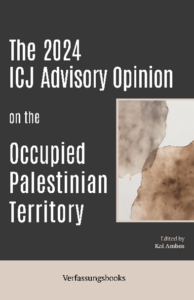
The 2024 ICJ Advisory Opinion on the Occupied Palestinian Territory
Edited by Kai Ambos
“This volume includes a wealth of expert analyses of this historic ICJ opinion. Readers will be struck equally by the range of perspectives, by the nuance and insightfulness of the contributors’ reflections, and by the speed with which this book has been put together. It is a timely and important contribution.”
– Tom Dannenbaum, Stanford Law School
Get your copy here – as always, Open Access!
++++++++++++++++++++++++++++
Auf reine Dekoration setzt auch das „Regierungsprogramm“ der AfD in Sachsen-Anhalt: Darin setzt die Partei aufs Baurecht und fordert, dass öffentliche Gebäude von der Mehrheit der Bevölkerung als schön empfunden werden und „historische Identität“ widerspiegeln müssen. Wie die AfD damit gesellschaftliche Vielfalt zurückdrängen will, erklärt SAMIRA AKBARIAN (DE).
Neben dem Baurecht könnte die AfD in Sachsen-Anhalt noch ein weiteres Instrument vereinnahmen: das Vereinsverbot. Denn es ist nicht mehr ausgeschlossen, dass die AfD nach den Landtagswahlen im Innenministerium sitzt. JANNIK JASCHINSKI (DE) warnt: Einem autoritär-populistischen Innenminister könnte das Vereinsverbot als schlagkräftiges Repressionswerkzeug dienen.
Doch auch wer Repressionswerkzeuge wieder umschmiedet, sollte Vorsicht walten lassen. In Ungarn hat Ministerpräsident Péter Magyar alle von Orbán ernannten Behördenleitungen zum Rücktritt aufgefordert. Sie lehnten ab. TÍMEA DRINÓCZI (EN) erklärt, welche zwei grundlegenden Widersprüche die angekündigte Verfassungsänderung auflösen muss – und warum sie strengster öffentlicher Rechtfertigung und Debatte standhalten muss.
Big Tech sollte sich ebenso streng öffentlich rechtfertigen müssen. Die KI-Industrie vermarktet sich als nachhaltig und umweltfreundlich – obwohl das Gegenteil der Fall ist. Greenwashing ist nach EU-Recht verboten; die Green-Transition-Richtlinie von 2024 hat die Regeln verschärft. RACHEL GRIFFIN und BARRIE SANDER (EN) argumentieren, dass gängige Praktiken der KI-Industrie – vage Nachhaltigkeitsversprechen, Netto-Null-Behauptungen bei steigenden Emissionen – als Verstöße gegen das EU-Verbraucherrecht klagbar sein könnten.
Unabhängig von Big Tech will die EU zumindest bei ihrer Währung werden. Seit Jahren diskutiert die Union einen „Digitalen Euro“: eine öffentlich garantierte Form digitalen Geldes. Am 23. Juni stimmt das Europäische Parlament nun endlich über einen Verordnungsentwurf ab, der den Digitalen Euro einführen will. CEDERIC MEIER (DE) erklärt, wozu es einen Digitalen Euro überhaupt braucht – und warum der Unionsgesetzgeber mutig sein muss.
Dass digitale Unternehmen bisweilen mehr Schutz genießen als lebende Wesen, zeigt der Fall „Timmy“. Der Buckelwal strandete vor der Insel Poel und löste innerhalb kürzester Zeit ein mediales Echo aus, wie es in Deutschland wohl nur wenigen Tieren zuteil wird. Schließlich erreichte er auch das Verwaltungsgericht Schwerin – mit insgesamt 19 Eilanträgen. Doch allesamt scheiterten an der Antragsbefugnis. Wer darf tierliche Interessen gerichtlich geltend machen? NINA KERSTENSTEINER und MAREIKE MITTAG (DE) zur Lücke zwischen Art. 20a GG und prozessualer Wirklichkeit.
Schließlich ging diese Woche unser Symposium „On Law and Politics in the Hungarian Transition“ weiter. MARCIN SZWED (EN) zeigt, wie sich die Argumentation des EGMR im armenischen Fall Gyulumyan – derzufolge legitime Verfassungsreformen auch die Abberufung von Richter:innen rechtfertigen könnten – auf Ungarns besetzte Gerichte anwenden lässt. Ausgehend von Polens Erfahrungen skizziert ANNA WÓJCIK (EN), was eine schnelle und unionsrechtskonforme Reform des Medienökosystems in Ungarn erfordern würde.
Dass Wójcik bewusst von „media ecosystem“ statt nur von „system“ spricht, leuchtet mir ein. Ob Medien, Ministerpräsidenten oder Fußballmannschaften: Wir leben in einem riesigen Ökosystem aus unzähligen kleineren Systemen, von denen wir immer nur ein kleiner Teil sind. Wir „humans“ kommen von humus, aus der Erde, da ist nichts zu machen. Trotzdem nehmen wir uns gerne von ihr aus, schneiden den Rest des Ökosystems in kleine Scheibchen und beuten ihn aus. Wenn Sie mich fragen, ist deshalb auch die Menschenwürde unvollständig. Da sollten wir es doch hinbekommen, zumindest sie zu schützen.
*
Das war’s für diese Woche.
Ihnen alles Gute!
Ihr
Verfassungsblog-Team
Wenn Sie das wöchentliche Editorial als E-Mail zugesandt bekommen wollen, können Sie es hier bestellen.
The post Eingebürgert und verstummt appeared first on Verfassungsblog.
Lawsuits about state actions and policies in response to the coronavirus (COVID-19) pandemic